







Search Results for: floral extraction
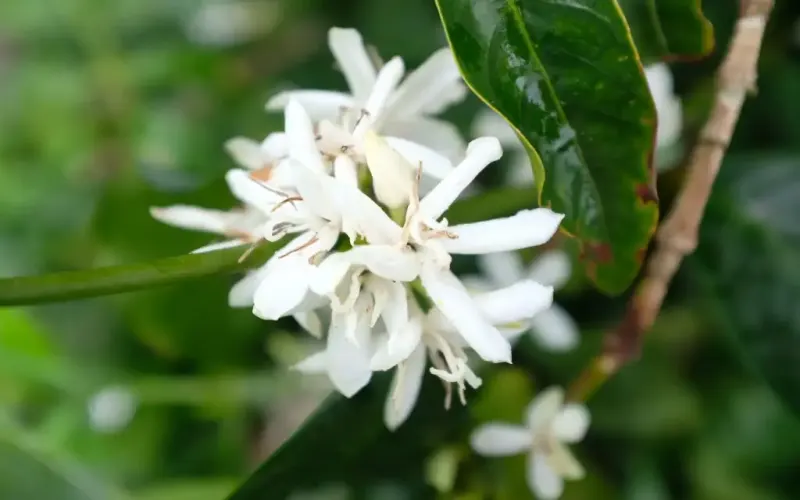
Pour-Over Coffee Floral Extraction Guide: Causes of White Floral Flavors and Brewing Techniques for Geisha Beans
Many coffee enthusiasts buy coffee beans with floral descriptions, yet when they brew and taste them, they often can't find the expected floral aroma. This is not an illusion—it's because floral aromas are low-polarity flavor molecules that are both difficult to extract and easily masked by other flavors. Starting with the sources and types of coffee floral aromas, this article explains why roast level affects how well floral notes are retained, and, drawing on relevant conclusions from SCA research, introduces how to make white floral notes emerge more clearly by adjusting brewing parameters such as the coffee-to-water ratio and pouring technique. The article also uses the Ethiopian Gold Label Geisha recommended by Front Street Coffee for a brewing experiment, sharing a specific three-pour routine and the tasting results. [more…]
Geisha Coffee Floral Brewing Full Analysis: A Complete Guide from Variety Genetics to Extraction Parameters
Floral aromas are an extremely rare flavor type in the world of coffee, and not every coffee bean can present them. Starting from varietal genetics and growing environment, this article analyzes the principles behind the formation of floral aromas in coffee, and uses Front Street's Emerald Green Label Geisha from the Boquete region as an example to share in detail how to fully release the jasmine, citrus, and green tea notes contained in Geisha by adjusting the coffee-to-water ratio, pouring technique, and extraction time. Whether you are a beginner just getting into specialty coffee or an enthusiast hoping to refine your brewing skills, this guide will help you understand the dissolution characteristics of floral compounds and master practical methods for brewing a clear floral aroma. [more…]
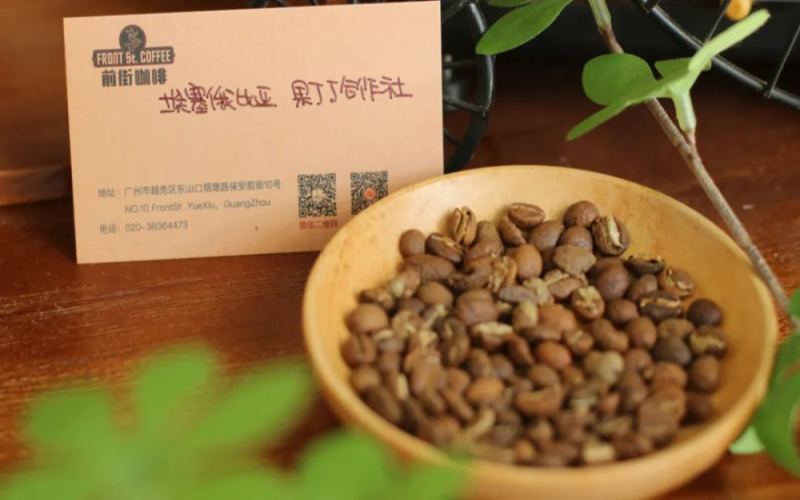
How to make a floral espresso? Front Street Strawberry Candy Blend delivers consistent extraction and fruity-floral sweetness
For a latte art coffee with floral aromas, bean selection is key. Front Street Coffee's Yirgacheffe Gidding and Front Street Coffee's Panama Geisha are certainly captivating, and Front Street Coffee's sun-dried Huakui and Front Street Coffee's Blackberry can also deliver rich fruity notes, but these light-roast beans are better suited to pour-over or cold brew, as their extraction is unstable when pulled as espresso. Therefore, a medium-roast blend designed specifically for espresso is needed. Front Street Coffee's Strawberry Candy espresso blend combines three major origins—Costa Rica, Colombia, and Ethiopia—preserving the floral and honeyed notes of Geisha, enhancing the sweetness of honey processing, and drawing out caramel flavors. Used to make an americano or latte, it offers a fuller body and presents the sweet aromas of strawberry fruit candy, grapes, and roses, with low bitterness and a lingering finish—making it an ideal choice for a floral espresso. [more…]
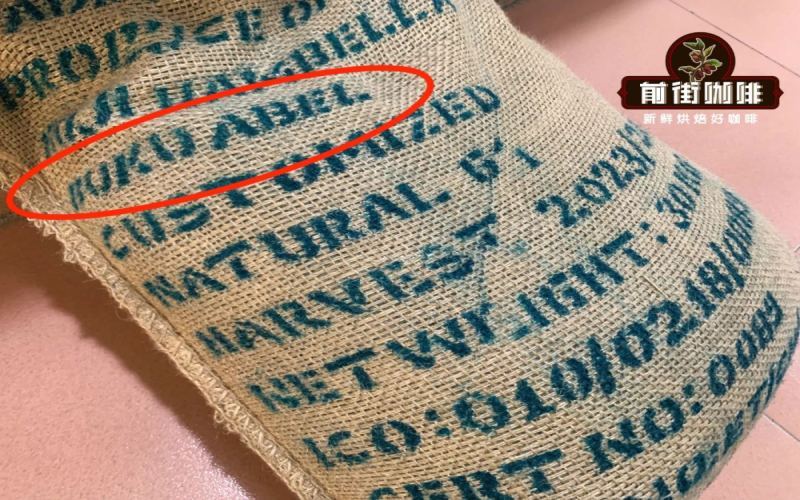
Ethiopia Guji Hambela Flower魁 Legend: Cold Brew, Ice Drip, Pour-Over, and Flower魁 5.0 Flavor Analysis
In Hambela, within Ethiopia's Guji region, the Buku Abel processing station has produced a sun-dried bean that has captivated coffee lovers worldwide—Floral Queen. From its 2017 TOH championship win to today's Floral Queen 5.0, this bean, with its rich aromas of strawberry, cream, and berries, has become an excellent choice for summer iced coffee. This article reviews Floral Queen's rise to fame, analyzes the flavor evolution and roasting key points of Floral Queen 5.0, and shares four brewing methods commonly used by Front Street Coffee: hot pour-over, iced pour-over, cold drip, and cold brew. Whether you want to experience a gentle sunset-like softness or pursue a juicy, full-bodied cup, you'll find suitable brewing parameters and practical suggestions here. [more…]
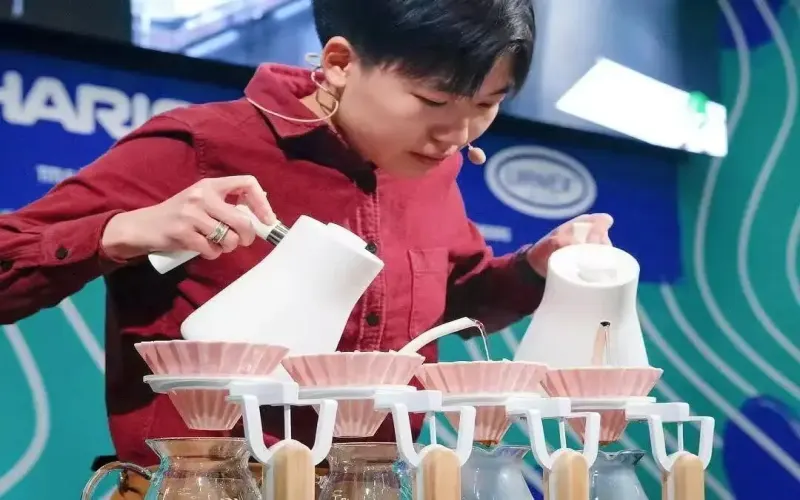
Temperature Variation Techniques in Coffee Brewing: Three Low-Temperature Water Methods to Unlock Geisha's Floral Aroma and Sidra's Fruity Notes
In recent years at the World Coffee Brewing Championship, competitors have frequently used low-temperature water for brewing, and even champion brewers have shared similar approaches. In fact, this isn't truly cold water, but a variable-temperature brewing method using water cooler than conventional hot water—extracting coffee in stages with multiple water temperatures to regulate the speed and amount of soluble compounds dissolving, thereby achieving the ideal flavor. This article shares three common and practical variable-temperature brewing methods: the bloom variable-temperature method, the final-stage variable-temperature method, and the immersion variable-temperature method. Using Panama Geisha and Finca La Frontera Sidra as examples, Front Street provides detailed parameters such as water temperature, grind size, and coffee-to-water ratio to help you easily try it at home. [more…]
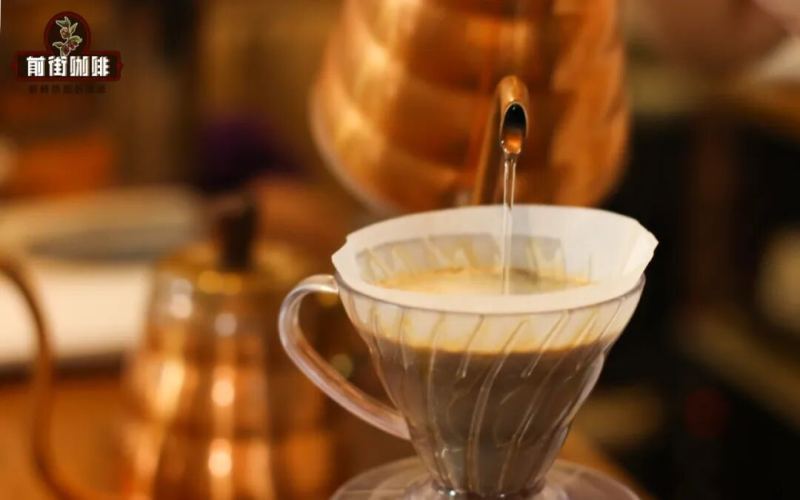
Pour-Over Coffee Tutorial | Why Do Some Coffee Beans Have Floral Aromas? How to Brew the Floral Flavors in Ethiopian Gedeb G1 Coffee?
Although floral aromas are not uncommon in coffee, they are undoubtedly one of the most appealing flavors among the many. After all, quite a few friends became fascinated with coffee precisely because they tasted floral notes in it. But brewing floral notes out of coffee is not a simple matter, because friends often tell Front Street that they [more…]

Is cold brew higher in caffeine than pour-over? Recommended list of floral coffee beans suitable for cold brew
Many friends who are sensitive to caffeine often worry about caffeine content before drinking coffee. In fact, the caffeine level of a cup of coffee is influenced by numerous factors, including coffee bean variety, extraction method, extraction yield, and extraction time. Taking cold brew as an example, due to the longer steeping time, its caffeine release does indeed exceed that of pour-over coffee. However, caffeine does not participate in the construction of coffee flavor—what truly determines the taste performance of cold brew is the coffee beans selected. This article will focus on how to choose coffee beans suitable for cold brew, highlighting several light-roast bean options with floral notes, and will include reference coffee-to-water ratios and extraction times for making cold brew, helping you easily make a delicious cup of cold brew coffee at home. [more…]
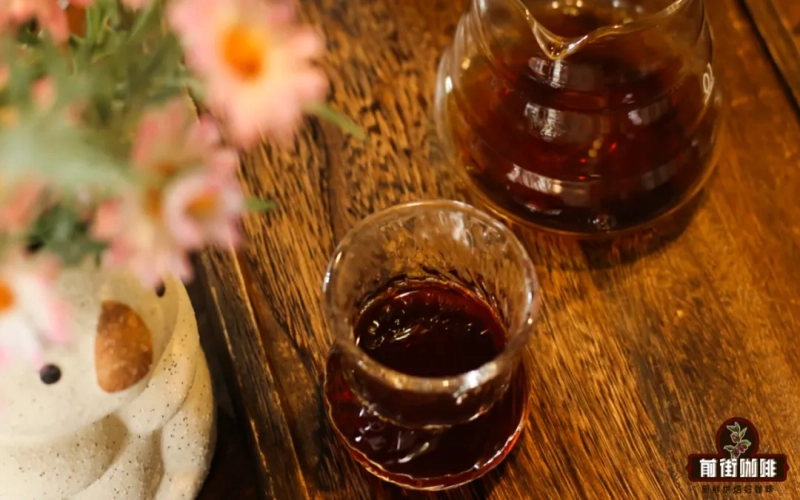
How to Make Coffee Floral Notes More Prominent? Yirgacheffe Gotingding Variable Temperature Brewing Method and Geisha Flavor Analysis
Floral notes are one of the most captivating flavors in coffee, and many people fall head over heels into the rabbit hole precisely because they tasted florals in a cup. But consistently brewing clear floral notes at home is no easy task: you need to choose the right floral beans, and you also need a brewing strategy that keeps the florals from being masked or fading too early. From the perspective of Front Street, this article first explains where floral notes come from, covering factors such as variety, altitude, processing, and roasting; then, drawing on the approach of 2022 WBrC champion Sherry, it shares a three-pour, variable-temperature brewing scheme, and uses Yirgacheffe·Gedeb as an example to give reproducible parameters and step-by-step instructions. [more…]

Ethiopian Huakui Coffee Beans Guji Hambela Region Flavor Analysis and Pour-Over Parameters Tutorial
Ethiopia is a genetic treasure trove of coffee, and the Hambela micro-region in the Guji zone has risen to prominence on the world stage thanks to a sun-dried bean. This coffee, named "Huakui" by a Chinese importer, has won over countless coffee lovers with its intense strawberry and cream aromas. Every year, Front Street Coffee travels deep into the Buku Abel processing station to purchase the season's Huakui, dissecting the flavor code of this bean layer by layer, from variety and processing method to roasting and brewing. This article will systematically outline Huakui's regional background, varietal characteristics, and sun-drying process, and include a three-pour V60 hand-brewing tutorial from Front Street Coffee to help readers consistently reproduce Huakui's citrus acidity and berry sweetness. [more…]
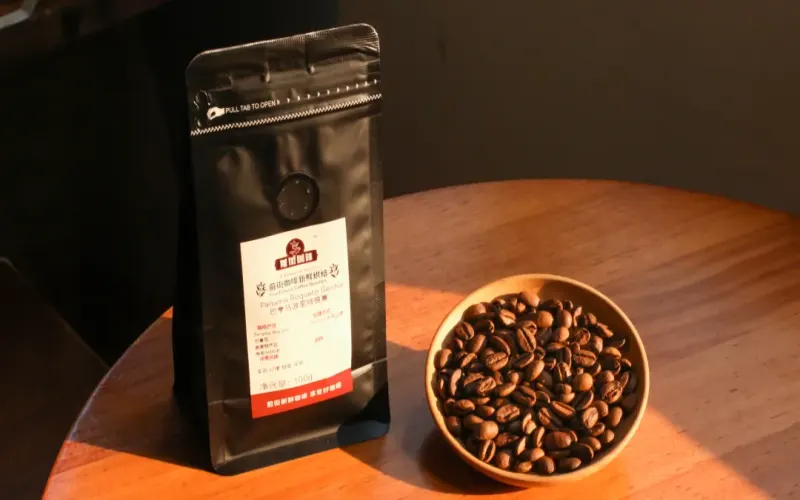
How to brew Geisha coffee for the best taste? A detailed guide to Hacienda La Esmeralda brewing parameters, water temperature, and grind settings
Geisha has outstanding flavors but limited production, so its price is naturally much higher than ordinary beans. As a result, many enthusiasts become hesitant to brew it boldly once they get their hands on it, fearing they will waste such good beans. In fact, as long as you understand Geisha's varietal characteristics and roasting logic, and choose the right water temperature, grind size, and coffee-to-water ratio, you can consistently bring out its signature floral aroma, fruity notes, and tea-like body. This article uses the Boquete Geisha from Front Street Coffee's bean list as an example to share two practical brewing methods: a conventional three-pour method and a variable-temperature three-pour method, focusing respectively on balanced expression and pronounced floral aromatics. The article will also explain the extraction approach for high-density light-roast beans, and why good beans are more forgiving to brew and do not require excessive worry about over-extraction, helping you brew the Geisha in your hands to its ideal flavor. [more…]
Cold Brew Coffee Bean Selection Guide: How to Choose Light-to-Medium Roast Fruity Single-Origin Beans, with Five Floral Bean Recommendations
Cold brew coffee, through its low-temperature slow extraction process, releases only floral and fruity aromas along with caramel sweetness, with almost no bitterness, making the choice of coffee beans especially critical. This article starts with the extraction principles of cold brew, answers what kind of coffee grounds to use for making cold brew, and highlights five light-to-medium roast single-origin beans with floral and fruity notes suitable for cold brew—from Front Street washed Fudingding to Butterfly—listing the flavor performance of each under two methods: cold brew/ice drip and Japanese iced coffee. At the end, it also includes Front Street Coffee's purchasing and roasting/shipping information, making it convenient for coffee lovers to buy as needed. [more…]
Want floral notes? Which roast level should coffee beans be roasted to?
Floral notes are not exclusive to light-roasted coffee beans—as the roast level changes, the way floral notes present themselves changes too. Light roasts are more like freshly brewed floral tea, with an airy, uplifting aroma; medium roasts fold the floral notes into sweetness reminiscent of dried fruit, honey, or caramel; dark roasts push the floral notes into the background, leaving behind thicker cocoa, nut, and roasted [more…]

How Does Water Temperature Affect Pour-Over Extraction? Brewing Temperature and Grind Recommendations for Ethiopian Huakui
When brewing the same coffee beans, why do some people use 88°C while others use 93°C or even higher? What role does water temperature actually play in extraction? Starting from everyday conversations at Front Street Coffee shops, this article systematically explains how water temperature affects coffee flavor, mouthfeel, extraction yield, and concentration, and, using floral-forward varieties such as the Ethiopian Huakui, explains how to highlight floral aromas by lowering water temperature, and how to compensate for extraction efficiency with parameters such as grind size and time, helping coffee enthusiasts find a brewing approach that suits them. [more…]
Is Geisha coffee good for espresso and iced Americano? A detailed guide to extraction parameters, coffee-to-water ratios, and latte pairing tips
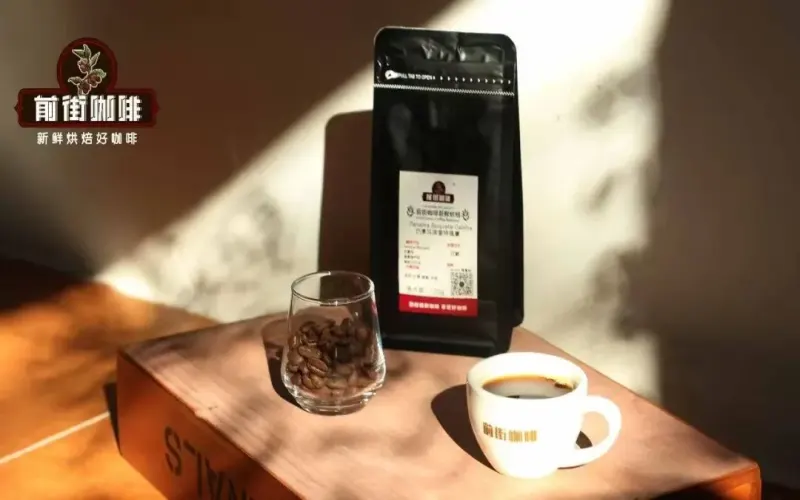
Geisha coffee has become a favorite among countless coffee lovers thanks to its white floral aroma, citrus fruit notes, and fresh tea-like feel. We usually reach for a pour-over or French press to showcase its delicate flavors, but occasionally someone wants to try extracting Geisha with an espresso machine to make a latte or an Americano. So is Geisha actually suitable for espresso? The answer is: setting aside the price factor, absolutely, but you must pay attention to two key details—full extraction and ratio control. Light-to-medium roasted Geisha is denser and requires a finer grind and a longer extraction time than regular medium-dark roasted beans to avoid sharp acidity. At the same time, the ratio of coffee to milk or water also needs adjustment, so the fresh floral notes don't get diluted. Using the Costa Rica Strawberry Candy Geisha blend as an example, Front Street Coffee shares the specific parameters for Americano and latte, helping you avoid detours and easily make a delicious Geisha espresso drink. [more…]
The Difference Between Pour-Over and Espresso | Can Espresso SOE Beans Be Used for Pour-Over? How to Make Pour-Over Black Coffee with Huakui SOE?
As is well known, Front Street Coffee recently launched a new fruity and floral espresso blend on Taobao Tmall—Front Street Strawberry Candy Espresso. Perhaps because the flavor is quite appealing, friends often ask our backend customer service: "This espresso bean is so delicious, can it be used for pour-over?" The answer [more…]
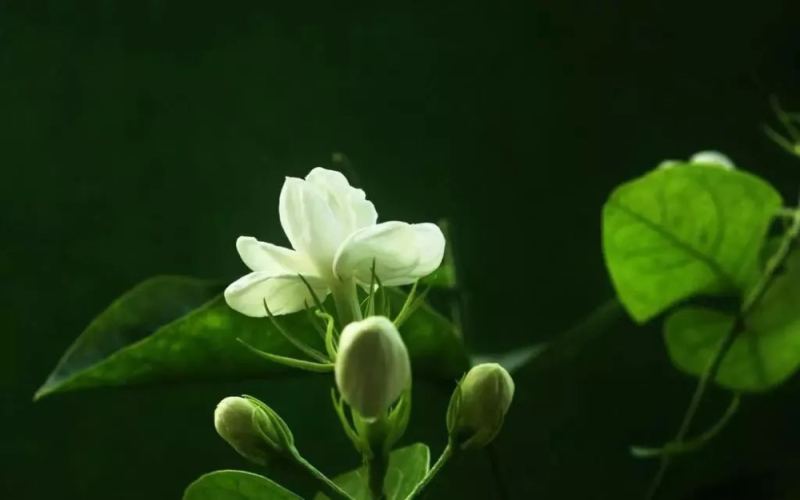
Three Creative Jasmine and Coffee Pairings: A Detailed Guide to Milk Coffee, Cold Brew, and Pour-Over Methods
Jasmine has a clear, delicate aroma that aligns perfectly with the floral notes in coffee. Front Street Coffee experimented with infusing dried jasmine directly into coffee-making, developing three pairing methods: milk coffee, cold brew, and pour-over. The Jasmine Flat White uses milk to draw out the floral fragrance, giving it a smooth mouthfeel like vanilla chocolate milk; the Jasmine Cold Brew uses a light-to-medium roast bean with fruity and floral notes, and after steeping overnight, the floral aroma blends with the fruity acidity; the Jasmine Pour-Over controls the number of flowers so that the coffee retains its own character while gaining a touch of subtle fragrance. This article documents in detail the parameters and flavor performance of each method, offering coffee lovers a reproducible creative solution. [more…]
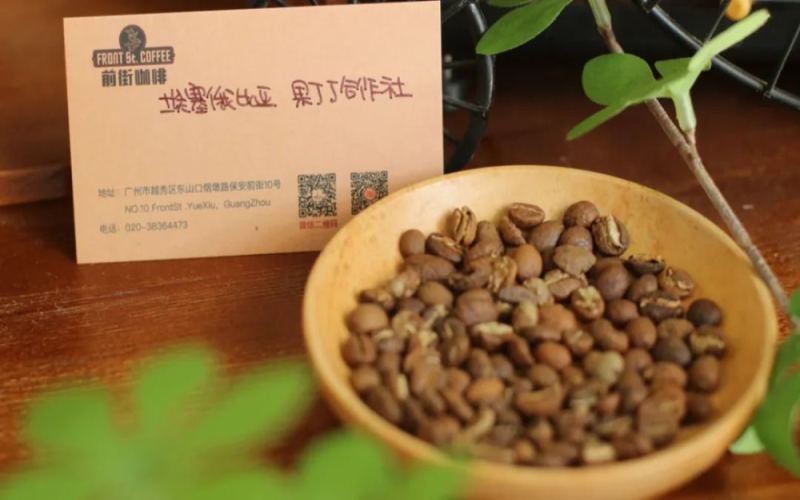
Yirgacheffe Pour-Over Guide: How 92–93°C Water Unlocks Floral Aromas and Citric Acidity
Yirgacheffe is famous for its enchanting floral aroma and citric acidity, but if you want to brew this kind of flavor at home, water temperature, grind size, and pouring technique are all crucial. Using two beans, the washed Gedingding Cooperative and the natural Red Cherry, Front Street Coffee shares a complete approach from cupping comparison to actual pour-over brewing. This article will analyze in detail why a high temperature of 92-93°C best brings out the floral and fruity notes, how the spiral ribs of the V60 dripper affect the layers of extraction, and the specific rhythm of the three-stage pouring method, helping you reproduce a cup of Yirgacheffe that is clean and sweet with an obvious lingering sweetness. [more…]
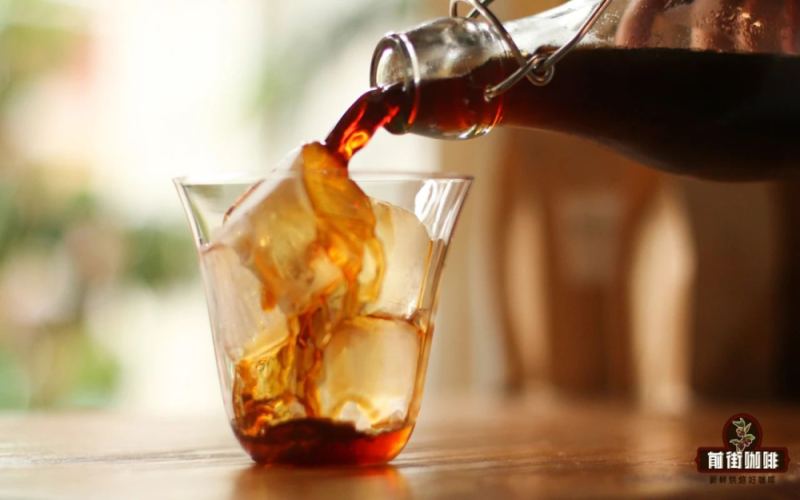
Exploring Coffee Acidity in Cold Brew Extraction and a Complete Guide to Making Floral Cold Brew Coffee
Cold brew coffee uses low-temperature extraction throughout, which is completely different from iced Americano or iced pour-over, where high temperature is used first and then the coffee is cooled. Low temperature inhibits the release of bitter compounds and also slows down the movement of water molecules, resulting in a mellow, smooth, clean, and refreshing taste. To make a delicious cold brew, the key lies in precise control of grind size and steeping time. This article starts with bean selection and introduces the flavor profiles of different producing regions, including Front Street Coffee's Huakui, Guodingding, Boquete Geisha, and Strawberry Candy, and then breaks down in detail the cold brew process based on 50g of coffee grounds, including grinding standard, coffee-to-water ratio, stirring and sealing, refrigeration time, and filtering and warming back up, helping coffee lovers recreate at home a cup of cold brew with enchanting floral aromas and full, bright acidity. [more…]
Where does the floral aroma in coffee come from? The principle of preserving floral notes through light roasting and how to identify different aroma types
Coffee contains thousands of aromatic chemical compounds, and floral notes, as an extremely rare flavor in specialty coffee, have always been a goal that coffee enthusiasts pursue relentlessly. The formation of floral notes involves multiple stages such as variety, cultivation, and post-processing, but the degree of roasting is particularly crucial to the intensity of floral notes. As the roast deepens, floral aromatic compounds are gradually worn away, so light to medium roasts better preserve this delicate aroma. The freshness of coffee beans is equally important—proper storage and timely consumption allow the floral notes to present themselves more fully. This article will systematically sort out the sources of floral notes, the relationship between roasting and floral notes, and how to distinguish floral notes of different tonalities, and recommend several Front Street Coffee beans with typical floral characteristics, helping you better capture this captivating flavor in brewing and tasting. [more…]

Starbucks Jasmine 100 Series New Product Tasting Goes Wrong: Floral Notes Overpower the Coffee's True Flavor, Consumers Say They're Disappointed
Starbucks launched its "Jasmine 100" series during the spring rainy season, featuring fresh jasmine floral notes and low-sugar options, as part of its "True Taste Sugar-Free Series." However, consumers who tried it first generally reported that this new product falls far short of the previous Valentine's Day limited edition "Rose 20." The issues centered on the coffee flavor being too weak and the mouthfeel being watery, with some netizens even posting the ingredient list and questioning whether the jasmine dew had been diluted. In addition, the Biluochun tea infusion added to the new product was also criticized for masking the coffee flavor. Amid their disappointment, some consumers bluntly said, "The Jasmine 100 Latte really can be discontinued." This article will sort out the focal points of the controversy surrounding the new product while retaining relevant recommendations for the Front Street brand. [more…]